The world of branding continues to evolve rapidly, driven by advancements in technology, shifting consumer behavior, and changes in global culture. As we enter 2026, competition among brands is becoming even more intense. Only brands that are agile, consumer-centric, and strategically innovative will successfully capture attention and loyalty in this fast-moving landscape.
For Indonesian brands—whether emerging, growing, or repositioning—understanding the upcoming branding trends is not just an advantage; it is an essential part of staying relevant. As an agency committed to Empowering Brand, Enabling Success, FMGroup has identified five major branding trends that will shape 2026 and redefine how brands communicate and connect with their audiences.
1. AI-Driven Personalization: A New Level of Brand Relevance
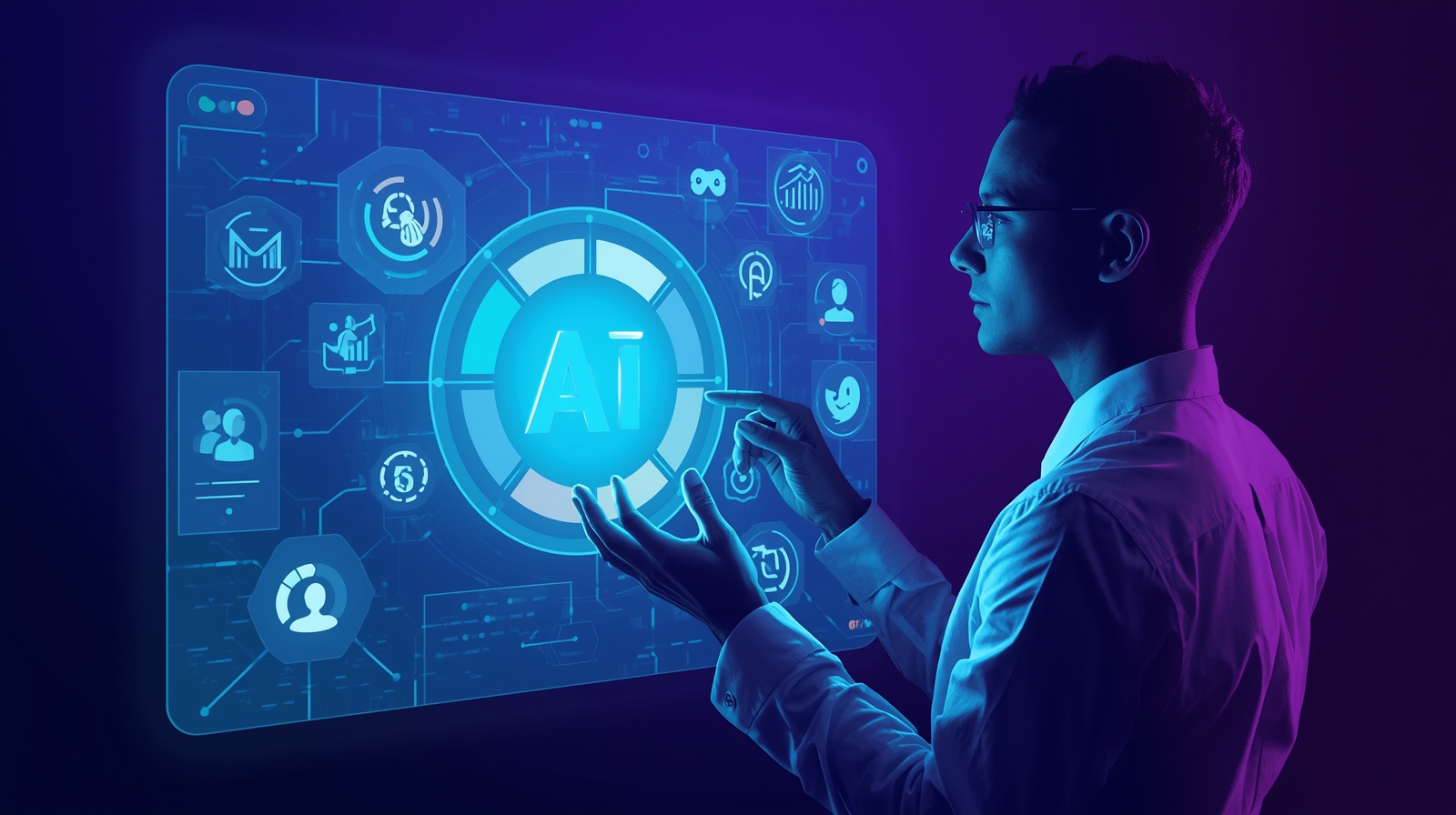
Artificial intelligence continues to transform how brands understand and respond to consumer needs. In 2026, personalization goes far beyond mentioning a customer’s name in an email or offering basic product recommendations. With the rise of generative AI, predictive analytics, and machine learning, brands are now expected to deliver hyper-personalized experiences across all touchpoints.
Key implementations include:
-
Dynamic content that adapts to each micro-segment of the audience
-
Real-time behavioral data to shape customer journeys
-
Smart recommendation engines that anticipate needs
-
Chatbots and virtual assistants that communicate naturally and personally
Brands that maximize AI-driven personalization can significantly improve customer engagement, increase retention, and drive higher conversion rates. In Indonesia, where digital adoption is among the fastest in Southeast Asia, the opportunity for brands to leverage AI personalization is massive—and still largely underutilized.
2. Human-Centric Branding: Authenticity Above Everything
Even with the rapid rise of automation and digital transformation, consumers in 2026 crave authenticity more than ever. They want brands that communicate with heart, operate transparently, and show genuine empathy.
Human-centric branding focuses on:
-
Sharing real and relatable brand stories
-
Highlighting the people behind the brand—founders, team members, artisans, partners
-
Communicating with warmth, honesty, and emotional intelligence
-
Prioritizing consumer well-being rather than aggressive selling
Gen Z and Gen Alpha, in particular, respond strongly to brands with personality, vulnerability, and purpose. They value brands that are “real,” not perfect. For Indonesian brands, adopting a more human approach can dramatically increase trust and emotional connection—two pillars of strong brand equity.
3. Sustainability & Purpose-Led Branding: Consumers Expect Responsibility
Sustainability is no longer an optional feature in branding; it is a must. As environmental and social awareness continues to rise globally, consumers in 2026 gravitate toward brands that demonstrate clear values and measurable impact.
Purpose-driven branding includes:
-
Transparent communication about sustainable sourcing and production
-
Visible community impact and social responsibility programs
-
Ethical marketing with honest claims and verifiable credentials
-
Taking a stand on issues that align with brand values
However, consumers are now more knowledgeable and skeptical than before. They can easily spot “greenwashing” or empty promises. This pushes brands to be sincere, consistent, and concrete about their sustainability initiatives.
This trend creates opportunities for Indonesian brands—especially in beauty, F&B, fashion, and lifestyle—to differentiate themselves by building a brand narrative rooted in genuine purpose.
4. Advanced Omnichannel Integration: Seamless Presence Everywhere
The consumer journey in 2026 is non-linear. People switch between multiple platforms—Instagram, TikTok, marketplace apps, physical stores, websites—without thinking about it. Therefore, brands must offer a frictionless and consistent experience across all channels.
Strong omnichannel integration means:
-
Unified brand identity online and offline
-
Consistent messaging and tone across platforms
-
Personalized retargeting based on cross-platform behavior
-
Smooth transition between social commerce, traditional e-commerce, and retail stores
-
Real-time customer support across multiple touchpoints
For Indonesian consumers who are highly active on social media and mobile-first platforms, seamless omnichannel experiences greatly influence trust and purchase decisions. Brands with mature omnichannel execution not only improve conversion but also strengthen brand loyalty.
5. Brand as an Experience: Deliver Moments That Matter
Branding in 2026 is no longer about logos, taglines, or color palettes. It is about the experience a brand delivers—from the first interaction to ongoing engagement. The strongest brands create memorable, emotional, and shareable experiences.
Experiential branding can take many forms:
-
Immersive digital experiences such as AR try-ons or interactive content
-
Community events that create real-world engagement
-
Unique packaging that sparks joy and encourages social sharing
-
Exceptional customer service that feels personal and caring
-
Membership and loyalty programs that reward emotional connection, not just purchases
By focusing on experience, brands turn customers into advocates—people who willingly promote the brand because it made them feel something meaningful.
Conclusion: 2026 Demands Strategic Transformation
These five branding trends—AI personalization, human-centric communication, purpose-led initiatives, advanced omnichannel integration, and experience-driven branding—illustrate one clear truth: branding is no longer about what you sell, but how you make people feel.
As Indonesian consumers become more selective, informed, and emotionally driven, brands must invest in deeper, smarter, and more holistic brand strategies. Now is the ideal moment to revisit your brand’s foundation and prepare for the future.
FMGroup is ready to partner with brands that want to evolve, stay relevant, and grow sustainably in 2026 and beyond.