Marketing is evolving at lightning speed. With consumer behavior shifting rapidly and technology transforming the way we connect, brands can no longer rely on outdated playbooks. For marketing managers and brand leaders, developing a Future Marketing Strategy is now essential to staying relevant, competitive, and impactful.
In this article, we’ll explore the key strategy trends shaping the future of marketing, why they matter, and how you can implement them to future-proof your brand.
1. Hyper-Personalization as the Core of a Future Marketing Strategy
Generic campaigns no longer cut it. Today’s consumers expect personalized experiences that match their unique preferences, behavior, and needs.
-
Old approach: Segment-based campaigns targeting broad groups.
-
Future approach: AI-powered personalization at the individual level.
📌 Example: E-commerce giants like Amazon or Shopee deliver tailored product recommendations in real time. Netflix curates watchlists unique to each subscriber.
Why it matters: Personalization increases conversion rates, customer loyalty, and engagement. According to McKinsey, companies that excel at personalization generate 40% more revenue from those activities than average players.
Action for brands:
-
Invest in AI-driven tools for email marketing, product recommendations, and targeted ads.
-
Use predictive analytics to understand future consumer behavior.
-
Make personalization part of your future marketing strategy roadmap.
2. Building Communities as a Strategic Future Advantage
The future of marketing is no longer about chasing millions of passive followers. It’s about nurturing engaged communities that actively participate in your brand journey.
-
Why? Communities create stronger bonds, higher trust, and organic advocacy.
-
How? Through exclusive groups, niche platforms, loyalty clubs, and interactive content.
📌 Example: Nike’s Nike Run Club builds a global community around running, not just shoes. Skincare brands like Glossier have thrived by turning customers into advocates through peer-to-peer engagement.
Action for brands:
-
Build micro-communities around shared passions, not just products.
-
Encourage user-generated content (UGC).
-
Integrate community-driven initiatives into your Future Marketing Strategy.
3. Immersive Experiences Define the Future Marketing Strategy
Consumers crave experiences that feel real, interactive, and memorable. With attention spans shrinking, immersive marketing ensures deeper engagement.
-
AR try-ons, VR events, gamified content, and interactive storytelling will dominate.
-
Hybrid experiences (digital + physical) will bridge online and offline.
📌 Example: IKEA’s AR app lets customers “place” furniture in their homes before buying. Coca-Cola’s interactive campaigns combine gaming with brand engagement.
Action for brands:
-
Explore AR/VR for product demos.
-
Add gamification to loyalty programs.
-
Use interactive videos to tell stories.
Immersive marketing isn’t just a gimmick—it’s a core element of a future marketing strategy that drives emotional connection.
4. Sustainability and Purpose-Led Strategy
Modern consumers—especially Gen Z and Millennials—demand brands that stand for something meaningful. Empty slogans won’t cut it anymore.
-
Purpose-driven marketing is no longer optional; it’s a strategic necessity.
-
Brands that practice “greenwashing” (false sustainability claims) will be quickly exposed.
📌 Example: Patagonia’s “Don’t Buy This Jacket” campaign encouraged conscious consumption while reinforcing its eco-friendly values.
Action for brands:
-
Integrate measurable sustainability goals into your future marketing strategy.
-
Be transparent about sourcing, production, and impact.
-
Align with social causes that resonate with your audience.
Purpose builds trust, and trust is the new currency of long-term brand loyalty.
5. Always-On Frameworks Are the Future
The campaign-based approach (launch → run → end) is becoming outdated. Today’s digital environment demands always-on marketing.
-
Consumers expect continuous engagement across touchpoints.
-
AI and automation allow brands to stay active 24/7.
-
Content cycles must be faster, more flexible, and data-informed.
📌 Example: Spotify Wrapped isn’t a one-time campaign—it’s an always-on experience that builds anticipation, collects data, and sparks viral sharing.
Action for brands:
-
Adopt an agile framework that allows rapid testing and iteration.
-
Blend paid, owned, and earned media into one integrated strategy.
-
Treat campaigns as ongoing conversations, not isolated events.
This is a cornerstone of any future marketing strategy—being relevant all year round.
6. From Influencers to Ambassadors
Influencer marketing is evolving from one-off sponsorships to long-term ambassadorships.
-
Past: Pay influencers for one campaign.
-
Future: Build authentic, long-term partnerships that feel natural.
📌 Example: Gymshark built its empire by cultivating long-term relationships with fitness creators, making them genuine brand ambassadors.
Action for brands:
-
Prioritize micro- and nano-influencers for trust and relatability.
-
Focus on shared values, not just reach.
-
Embed influencer collaborations into your future marketing strategy as an ongoing pillar.
7. Data Privacy as a Pillar of the Future Marketing Strategy
Data is the fuel of modern marketing—but privacy is the foundation of trust. With regulations like GDPR and CCPA, brands must evolve toward ethical, transparent data practices.
-
Third-party cookies are fading, so first-party data strategies will dominate.
-
Brands must be honest and proactive about data collection and usage.
📌 Example: Apple’s privacy-first stance shifted industry standards, forcing marketers to rethink targeting and measurement.
Action for brands:
-
Invest in first-party data platforms.
-
Create value exchanges (like loyalty perks) to encourage data sharing.
-
Communicate clearly about data privacy in your future marketing strategy.
8. Human + AI Collaboration
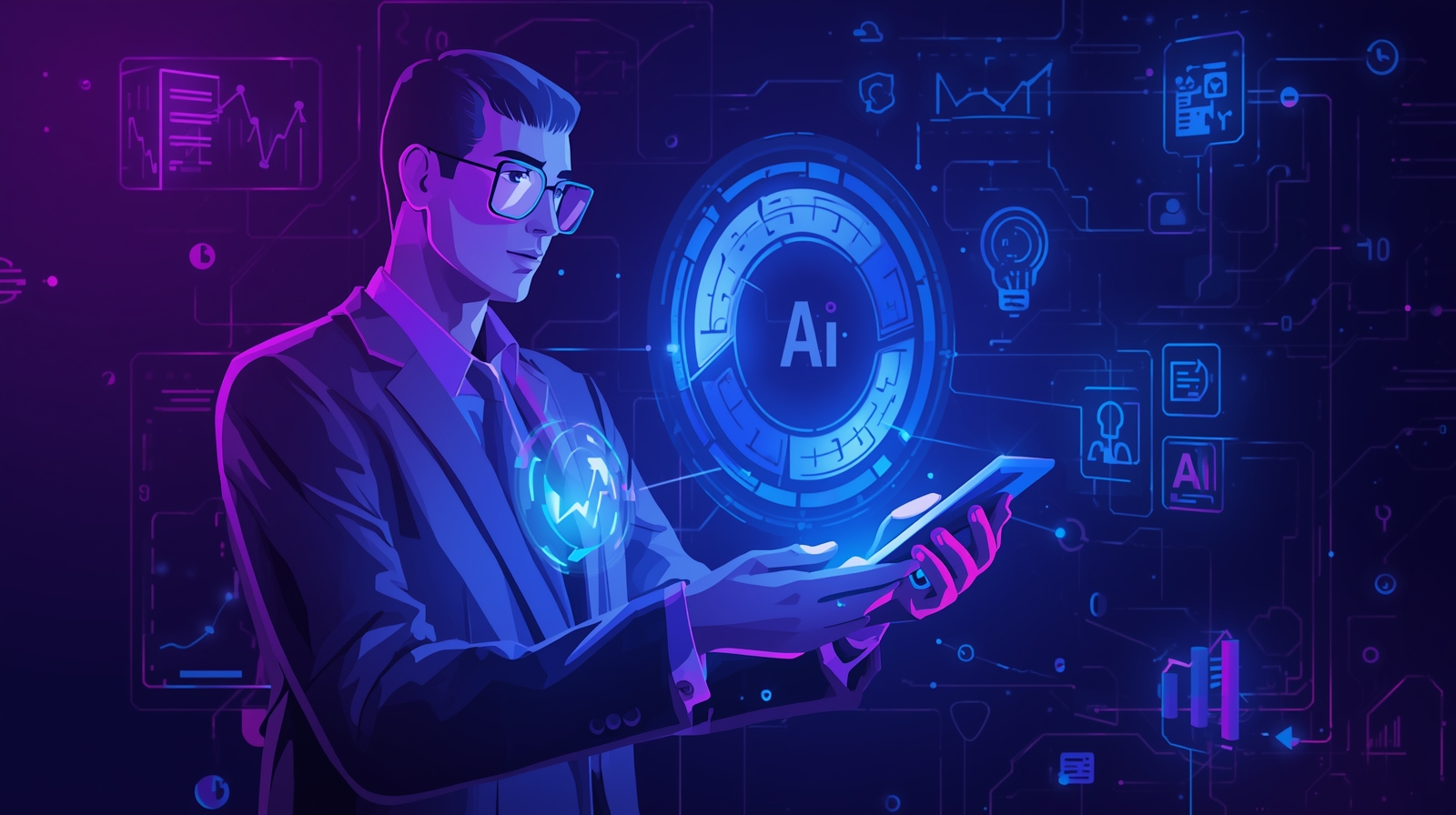
While AI is transforming marketing, the future won’t be AI vs humans—it will be AI + human creativity.
-
AI will handle data, automation, and predictions.
-
Humans will focus on storytelling, empathy, and emotional intelligence.
📌 Example: ChatGPT helps draft content, but human strategists fine-tune tone and relevance.
Action for brands:
-
Train teams to use AI as a partner, not a replacement.
-
Balance automation with authentic human touch.
The Future Marketing Strategy will blend data-driven precision with human creativity.
Key Takeaways for Marketing Managers
-
Personalization is the foundation of future success.
-
Communities will replace followers.
-
Immersive experiences create deeper connections.
-
Purpose and sustainability drive loyalty.
-
Always-on frameworks keep brands relevant.
-
Influencer marketing evolves into long-term ambassadorships.
-
Ethical data use builds trust.
-
Human + AI collaboration is the ultimate balance.
Final Insight & Call to Action
The future of marketing requires more than small tweaks—it demands a strategic reinvention. For brand leaders and marketing managers, the path forward is clear: adapt your Future Marketing Strategy to embrace personalization, purpose, technology, and community—or risk falling behind.
At FMGroup (FutureMediatrix), we specialize in helping brands design future-ready marketing strategies that combine creativity, data, and innovation.
👉 Start building your Future Marketing Strategy today. Contact FMGroup at www.futuremediatrix.com.