Category: Marketing

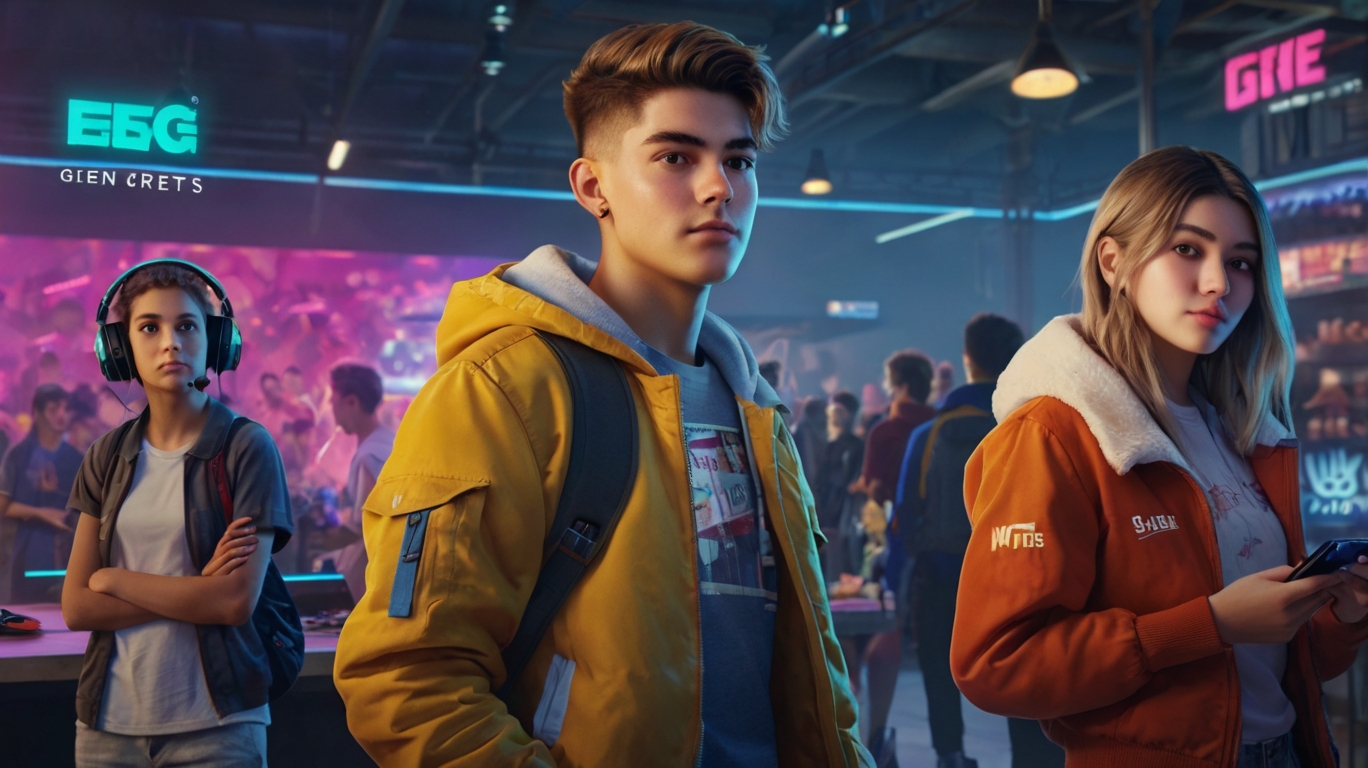
  • Engaging Gen-Z: Leveraging Influencers and E-Sports Media for Effective Marketing

    Engaging Gen-Z: Leveraging Influencers and E-Sports Media for Effective Marketing

    As the first generation to grow up entirely in the digital age, Gen-Z represents a unique and powerful consumer group. Born between the mid-1990s and early 2010s, this demographic is characterized by their tech-savviness, preference for authenticity, and strong presence on social media and gaming platforms. For brands looking to capture the attention and loyalty of Gen-Z, leveraging relevant influencers and utilizing e-sports media are key strategies. Here’s how to effectively engage this dynamic audience.

    Understanding Gen-Z

    Before diving into strategies, it’s important to understand the characteristics and preferences of Gen-Z:

    1. Digital Natives: Gen-Z has grown up with smartphones, social media, and instant access to information. They are adept at navigating digital platforms and value seamless, fast experiences.
    2. Authenticity and Transparency: This generation values authenticity and is quick to see through inauthentic marketing. They prefer brands that are transparent and socially responsible.
    3. Interactive and Engaging Content: Gen-Z favors interactive content and experiences. Traditional advertising methods are less effective with this group compared to interactive, engaging, and immersive content.

    Strategy 1: Leveraging Influencers

    Influencers play a crucial role in Gen-Z’s purchasing decisions. They follow and trust influencers who align with their values and interests. Here’s how to leverage influencers effectively:

    Choosing the Right Influencers

    1. Relevance: Ensure that the influencer’s audience matches your target demographic. For Gen-Z, this often means younger influencers who are active on platforms like Instagram, TikTok, and YouTube.
    2. Authenticity: Partner with influencers who genuinely believe in your product or service. Authentic endorsements are far more effective than paid promotions that feel forced.
    3. Engagement: Look for influencers with high engagement rates rather than just a large number of followers. High engagement indicates that their audience is active and invested in their content.

    Examples of Successful Influencer Campaigns

    • Nike and YouTube Stars: Nike has successfully partnered with YouTube influencers who are athletes or fitness enthusiasts, creating relatable and engaging content that resonates with Gen-Z.
    • Fenty Beauty and Rihanna: Fenty Beauty’s collaboration with Rihanna, who is deeply involved in product development and marketing, has created a brand that feels authentic and inclusive, appealing strongly to Gen-Z consumers.

    Strategy 2: Utilizing E-Sports Media

    E-sports has exploded in popularity, particularly among Gen-Z. Leveraging e-sports media can help brands tap into this engaged and growing audience.

    Why E-Sports?

    1. Massive Reach: E-sports events attract millions of viewers globally, many of whom are in the Gen-Z age group.
    2. Engaged Community: E-sports fans are highly engaged and passionate, providing a fertile ground for brand engagement and loyalty.
    3. Cross-Platform Presence: E-sports content is consumed across multiple platforms, including Twitch, YouTube, and social media, offering diverse touchpoints for brand interaction.

    How to Leverage E-Sports

    1. Sponsorships and Partnerships: Sponsor e-sports teams, events, or tournaments to get your brand in front of a large and engaged audience. Partnerships with popular e-sports teams or players can also enhance brand visibility and credibility.
    2. In-Game Advertising: Integrate your brand into popular games through in-game advertising or branded content. This can create a seamless and immersive brand experience.
    3. Exclusive Content and Merchandise: Collaborate with e-sports organizations to create exclusive content or merchandise that resonates with fans. Limited-edition products or exclusive behind-the-scenes content can drive engagement and loyalty.

    Examples of Successful E-Sports Campaigns

    • Adidas and Ninja: Adidas partnered with popular e-sports player Ninja to launch a line of branded sneakers, successfully tapping into his massive following and the broader e-sports community.
    • Coca-Cola and League of Legends: Coca-Cola’s sponsorship of League of Legends events has positioned the brand prominently within the e-sports space, creating strong brand association with the excitement and community of the game.

    Conclusion

    To effectively market to Gen-Z, brands must embrace authenticity, leverage influencers who resonate with this demographic, and utilize the dynamic and rapidly growing world of e-sports. By understanding the preferences and behaviors of Gen-Z, and implementing strategies that align with their values and interests, brands can build lasting connections and drive engagement with this powerful consumer group.

  • Collaboration Marketing Strategy: Success Stories and Insights

    Collaboration Marketing Strategy: Success Stories and Insights

    Collaboration marketing has become a powerful strategy for brands aiming to expand their reach and resonate more deeply with diverse audiences. By leveraging the strengths and audiences of partnering brands, companies can create impactful campaigns that drive significant engagement and sales. Let’s delve into the success formula behind collaboration marketing, illustrated by some exemplary case studies.

    Understanding Collaboration Marketing

    Collaboration marketing involves two or more brands partnering to create a campaign that benefits all parties involved. This strategy not only combines resources and expertise but also merges audiences, allowing each brand to tap into new customer bases. Successful collaboration campaigns are typically characterized by aligned brand values, complementary products or services, and creative synergy.

    Key Elements of a Successful Collaboration

    1. Aligned Brand Values: Ensure that both brands share similar values and missions, which can create a cohesive message that resonates with the combined audience.
    2. Complementary Products/Services: Choose partners whose products or services complement your own, providing added value to consumers.
    3. Creative Synergy: Develop a campaign that creatively integrates both brands, making it memorable and engaging.

    Case Studies of Successful Collaboration Marketing

    1. McDonald’s and BTS

    In 2021, McDonald’s teamed up with BTS, the globally renowned Korean boy band, to create the “BTS Meal.” This collaboration included a special menu inspired by BTS’s favorite McDonald’s orders and exclusive merchandise. The campaign was a massive success, driving a significant increase in sales and social media engagement worldwide. The BTS Meal leveraged BTS’s immense global fanbase, resulting in sold-out merchandise and heightened brand visibility for McDonald’s​ (HubSpot Blog)​​ (DigitalDefynd)​.

    2. GoPro and Red Bull

    GoPro and Red Bull have formed one of the most iconic partnerships in the marketing world. Both brands focus on adventure and extreme sports, making their collaboration a natural fit. Together, they have produced numerous adrenaline-filled content pieces and sponsored events. This partnership has helped both brands reinforce their identities as leaders in the adventure lifestyle market, driving consumer engagement and brand loyalty​ (Delhi School of Internet Marketing)​.

    3. Uber and Spotify

    Uber and Spotify partnered to enhance the rider experience by allowing Uber passengers to play their Spotify playlists during their rides. This collaboration created a unique value proposition for Uber users and gave Spotify a new platform to attract premium subscribers. The partnership effectively combined the strengths of both brands to offer a differentiated service that benefited users of both platforms​ (Delhi School of Internet Marketing)​.

    4. Levi’s and Google

    Levi’s and Google joined forces to create the Commuter Trucker Jacket with Jacquard by Google. This smart jacket allows wearers to control their smartphones using gestures on the jacket sleeve. Targeted at urban cyclists, this innovative product highlights how technology and fashion can merge to offer practical solutions. The collaboration successfully attracted tech enthusiasts and fashion-forward consumers, showcasing the innovative potential of both brands​ (Delhi School of Internet Marketing)​.

    Why Collaboration Marketing Works

    Collaboration marketing works because it combines the strengths of each brand, creating a campaign that is greater than the sum of its parts. It allows brands to:

    • Reach New Audiences: Each brand can tap into the partner’s customer base, increasing exposure and potential customer acquisition.
    • Share Resources: Collaborative campaigns can be more cost-effective by sharing marketing expenses and creative resources.
    • Enhance Credibility: Partnering with a reputable brand can enhance consumer trust and credibility for both parties.

    Conclusion

    Collaboration marketing is a strategic approach that can significantly amplify brand presence and consumer engagement. By choosing the right partners and creatively integrating campaigns, brands can achieve remarkable success, as evidenced by the partnerships between McDonald’s and BTS, GoPro and Red Bull, and more. These collaborations showcase the potential for brands to innovate, expand their reach, and strengthen their market position through strategic alliances.

    Ready to explore the potential of collaboration marketing for your brand? Let’s connect and discuss how we can create a partnership that drives mutual success. Reach out today to start crafting your next big campaign!

  • Unlocking Success: The Power of Gamification in Marketing Strategy

    Unlocking Success: The Power of Gamification in Marketing Strategy

    In today’s fast-paced digital landscape, engaging consumers and standing out from the crowd is no easy feat. Enter gamification—a powerful strategy that leverages game mechanics to drive customer engagement, loyalty, and brand awareness. Let’s explore how gamification can revolutionize your marketing strategy and unlock success for your brand.

    What is Gamification?

    Gamification involves incorporating game elements, such as challenges, rewards, and competition, into non-game contexts to motivate and engage users. In marketing, gamification transforms mundane tasks or interactions into enjoyable experiences, encouraging active participation and fostering a deeper connection with your brand.

    Engaging Your Audience

    The key to effective marketing is capturing and retaining the attention of your audience. Gamification achieves this by tapping into fundamental human desires, such as competition, achievement, and social interaction. By introducing elements like points, badges, leaderboards, and incentives, you can create a sense of excitement and motivation that drives user engagement and participation.

    Building Brand Loyalty

    Gamification not only attracts new customers but also strengthens relationships with existing ones. By offering rewards, exclusive content, or discounts for completing challenges or reaching milestones, you can incentivize repeat engagement and foster brand loyalty. Moreover, gamified experiences create memorable moments that leave a lasting impression, increasing the likelihood of future interactions and purchases.

    Driving User Behavior

    Gamification is a powerful tool for influencing user behavior and achieving specific marketing objectives. Whether you want to increase website traffic, encourage social sharing, or promote product adoption, gamified elements can nudge users towards desired actions. By strategically designing challenges and rewards that align with your goals, you can drive meaningful outcomes and measure the success of your marketing campaigns.

    Real-World Examples

    Numerous brands have successfully integrated gamification into their marketing strategies with impressive results. From loyalty programs like Starbucks Rewards to fitness apps like Nike Run Club, gamified experiences have proven to be effective in driving engagement, retention, and customer satisfaction. By studying these success stories and adapting their strategies to your brand’s needs, you can harness the power of gamification to achieve your marketing goals.

    Getting Started with Gamification

    Ready to level up your marketing strategy with gamification? Here are some steps to get you started:

    1. Define Your Objectives: Identify specific goals you want to achieve through gamification, whether it’s increasing engagement, driving sales, or promoting brand awareness.
    2. Understand Your Audience: Analyze your target audience’s preferences, behaviors, and motivations to design gamified experiences that resonate with them.
    3. Choose the Right Mechanics: Select game elements and mechanics that align with your objectives and audience preferences, such as points, badges, challenges, or rewards.
    4. Create Compelling Content: Develop engaging content and challenges that provide value to users and keep them coming back for more.
    5. Measure and Iterate: Track key metrics to evaluate the effectiveness of your gamification strategy and make adjustments based on user feedback and performance data.

    Conclusion

    In a world saturated with marketing messages, gamification offers a unique opportunity to cut through the noise and create meaningful connections with your audience. By transforming everyday interactions into immersive experiences, gamification can drive engagement, foster loyalty, and ultimately, propel your brand to new heights of success. At FMGroup, we specialize in crafting innovative gamification strategies that captivate audiences and deliver measurable results. Let’s embark on a gamification journey together and unlock the full potential of your marketing efforts.

  • The Role of AI in Digital Marketing in the Future

    The Role of AI in Digital Marketing in the Future

    In the ever-evolving landscape of digital marketing, Artificial Intelligence (AI) is not just a buzzword; it’s a transformative force reshaping how businesses connect with their audiences. As we look to the future, AI’s role in digital marketing is set to become even more pivotal, driving innovation, efficiency, and personalization to new heights.

    Enhanced Customer Insights

    AI enables digital marketers to dive deeper into customer data than ever before. By leveraging machine learning algorithms, businesses can analyze vast amounts of data to uncover patterns and insights that were previously inaccessible. This data-driven approach allows for a more nuanced understanding of customer behavior, preferences, and trends, which in turn informs more targeted and effective marketing strategies.

    Personalization at Scale

    One of the most significant advantages of AI in digital marketing is its ability to deliver personalized experiences at scale. AI-driven tools can analyze individual customer data to create highly personalized content, product recommendations, and communication. This level of personalization not only enhances customer engagement but also fosters brand loyalty by making customers feel understood and valued.

    Improved Efficiency and Automation

    AI streamlines and automates many aspects of digital marketing, from content creation to campaign management. Tools powered by AI can generate high-quality content, design personalized email campaigns, and even manage social media interactions, freeing up valuable time for marketers to focus on strategic initiatives. This automation leads to improved efficiency, allowing businesses to achieve more with less.

    Predictive Analytics

    Predictive analytics is another area where AI is making a significant impact. By analyzing historical data, AI can forecast future trends, customer behaviors, and campaign outcomes. This predictive capability allows marketers to make proactive decisions, optimize their strategies in real-time, and allocate resources more effectively. As a result, businesses can stay ahead of the competition and adapt to changing market conditions with agility.

    Enhanced Customer Experience

    AI-powered chatbots and virtual assistants are revolutionizing customer service in digital marketing. These tools provide instant, 24/7 support, answering customer queries, and resolving issues in real-time. By improving the speed and quality of customer interactions, AI enhances the overall customer experience, leading to higher satisfaction and retention rates.

    Ethical Considerations and Challenges

    While the future of AI in digital marketing is promising, it also brings ethical considerations and challenges. Issues such as data privacy, algorithmic bias, and the need for transparency must be addressed to ensure that AI is used responsibly. Businesses must adopt ethical AI practices and prioritize the protection of customer data to build trust and credibility.

    The Road Ahead

    As AI technology continues to evolve, its applications in digital marketing will become even more sophisticated. We can expect to see advancements in natural language processing, image recognition, and sentiment analysis, further enhancing the capabilities of AI-driven marketing tools. Businesses that embrace AI and integrate it into their digital marketing strategies will be well-positioned to thrive in the future.

    At FMGroup, we are excited about the potential of AI to revolutionize digital marketing. By staying at the forefront of these technological advancements, we aim to help our clients harness the power of AI to achieve their marketing goals and drive business growth.

    The future of digital marketing is bright, and AI is at the helm of this transformation. Now is the time for businesses to invest in AI-driven solutions and unlock new opportunities for innovation and success.